Can better instructions become better visual stories?
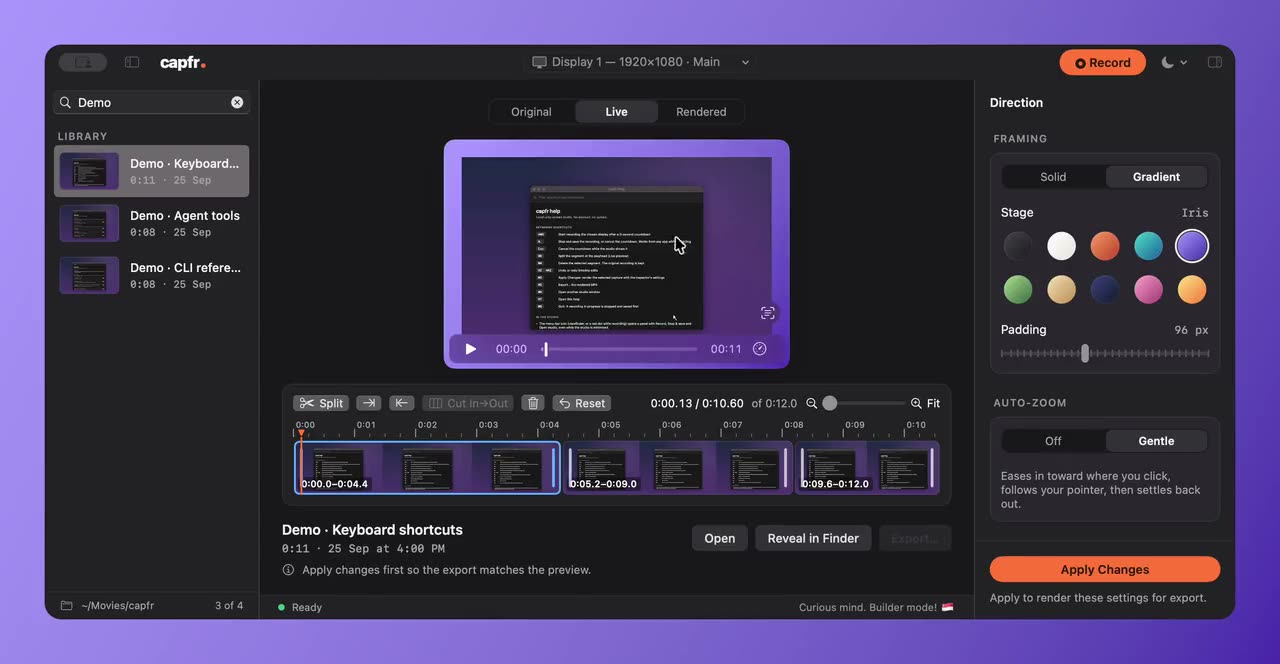
PromptZap opened a question about taste. Chroa made the visual system legible to agents. ScriptToReel carried that thinking into a reproducible media pipeline.
PromptZap → Chroa → ScriptToReelChapter 01 · Systems builder · AI practitioner
Banking discipline, agent harnesses, local AI, public builds, community, and the field notes that connect them.
See the chapters
Current buildAgent Field a public discussion space for builders
Live Lab shipping experiments in the open
Field Notes ideas from the workbench
View all buildsChapter 02 · Living systems atlas
The atlas maps how the work connects: enterprise delivery, agent tooling, local AI, product experiments, community, and public proof.
Move through the chaptersBanking SystemsCore platforms, payments, controls, and risk discipline from enterprise delivery.
Chapter 02 · The route through the work
Banking systems shaped the discipline. Public builds, agent harnesses, local AI, and community work keep the questions moving.
Chapter 01Banking systems2004 - 2012
Chapter 02Local AI2018 - 2021
Chapter 03Agent harnesses2021 - 2023
Chapter 04Public builds2023 - Now
Chapter 05Singapore communityAlways
Build log> ideation [02:13:07] sketching problems worth solving> research [04:42:11] user interviews, field notes> build [12:33:58] ship small, ship weekly> document [00:45:10] share the journey> still curious enough to start again.
Chapter 04 · Agent systems
A model can reason. A useful agent also needs tools, memory, context, permissions, evaluation and loops that make its boundaries inspectable.
THE HARNESS MATTERS.
initializing curiosity_
✓ problem discovered
✓ research collected
✓ prototype created
✓ agents connected
building_ ████████████████░░SHIP SMALL. SHIP WEEKLY.
Now / Aug 2026
Rooms in the work
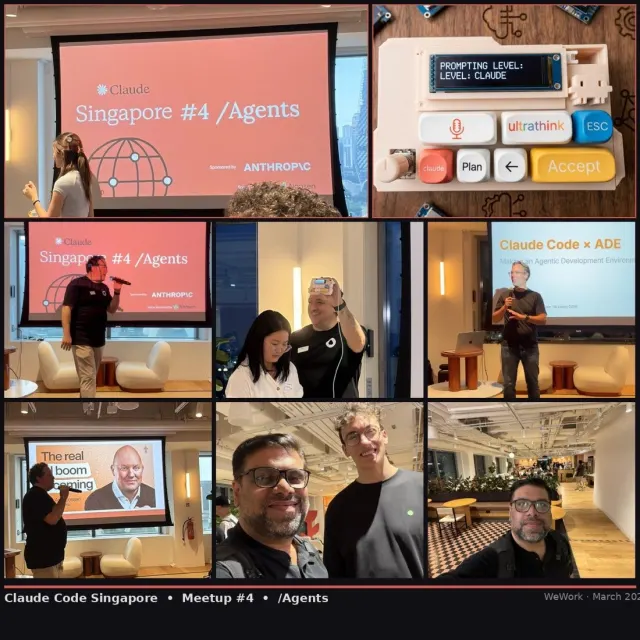
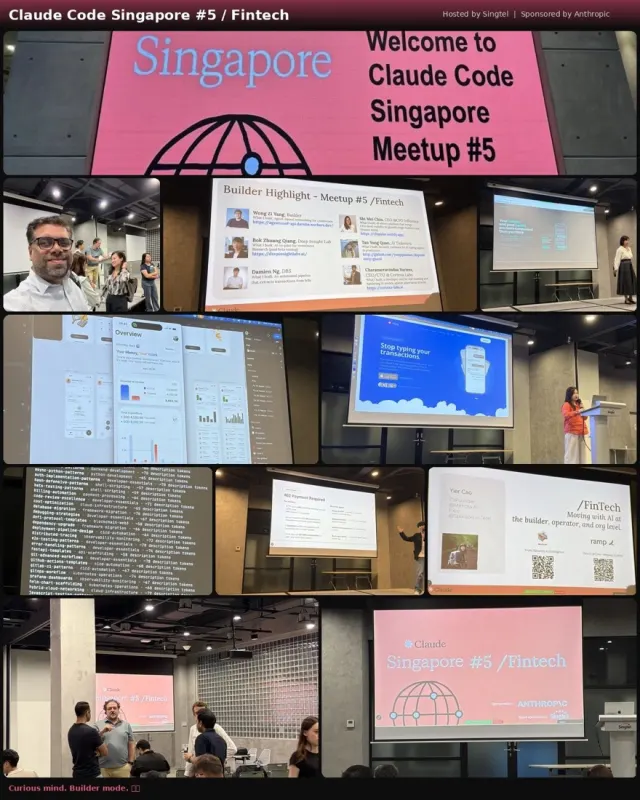
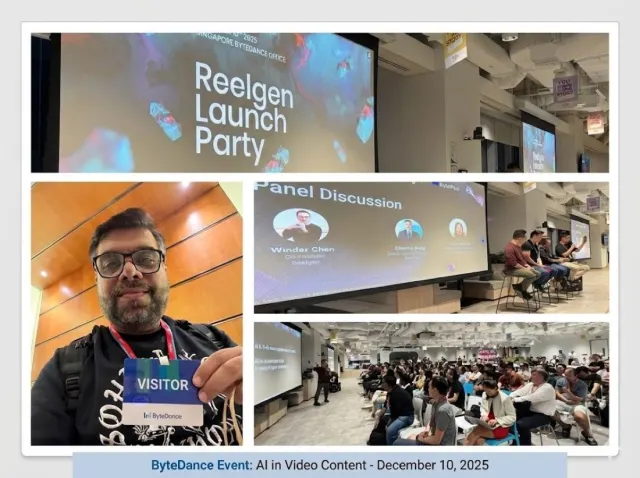
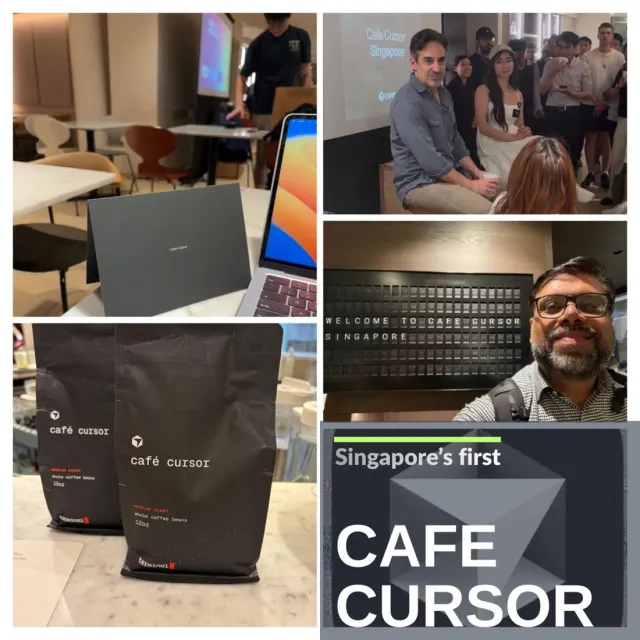
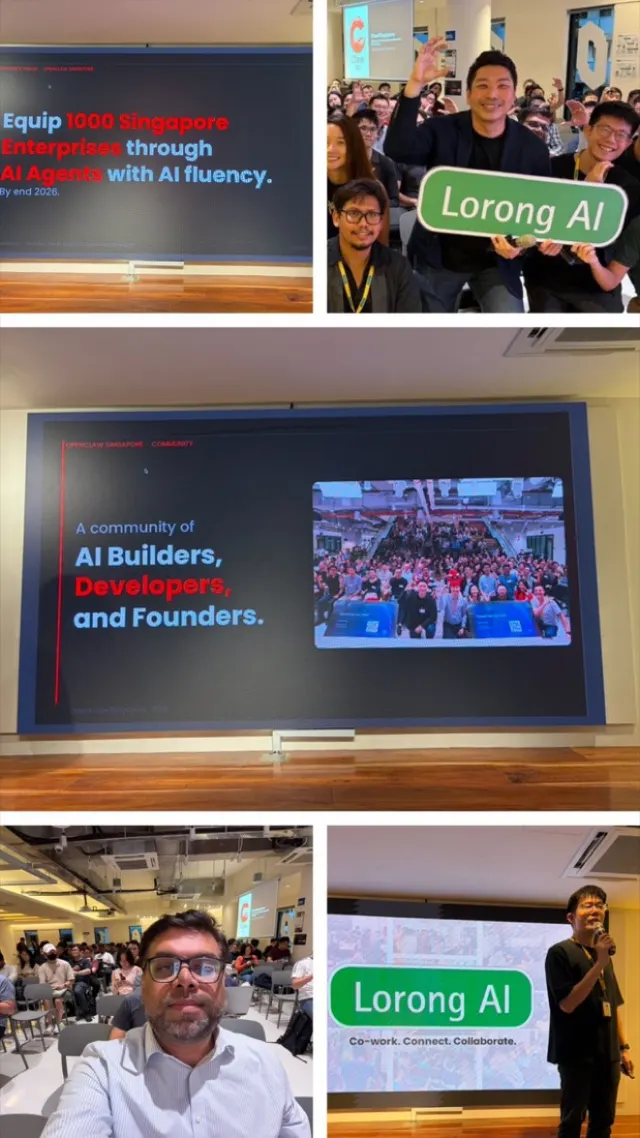
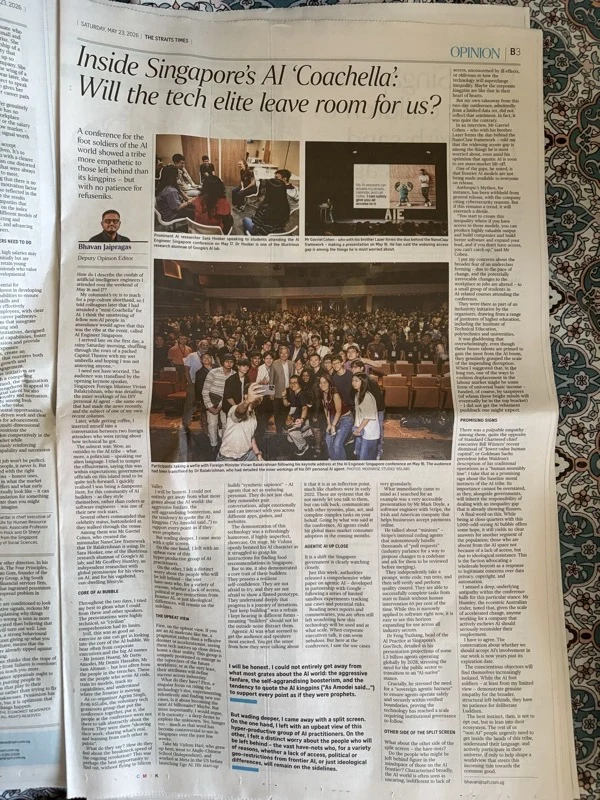
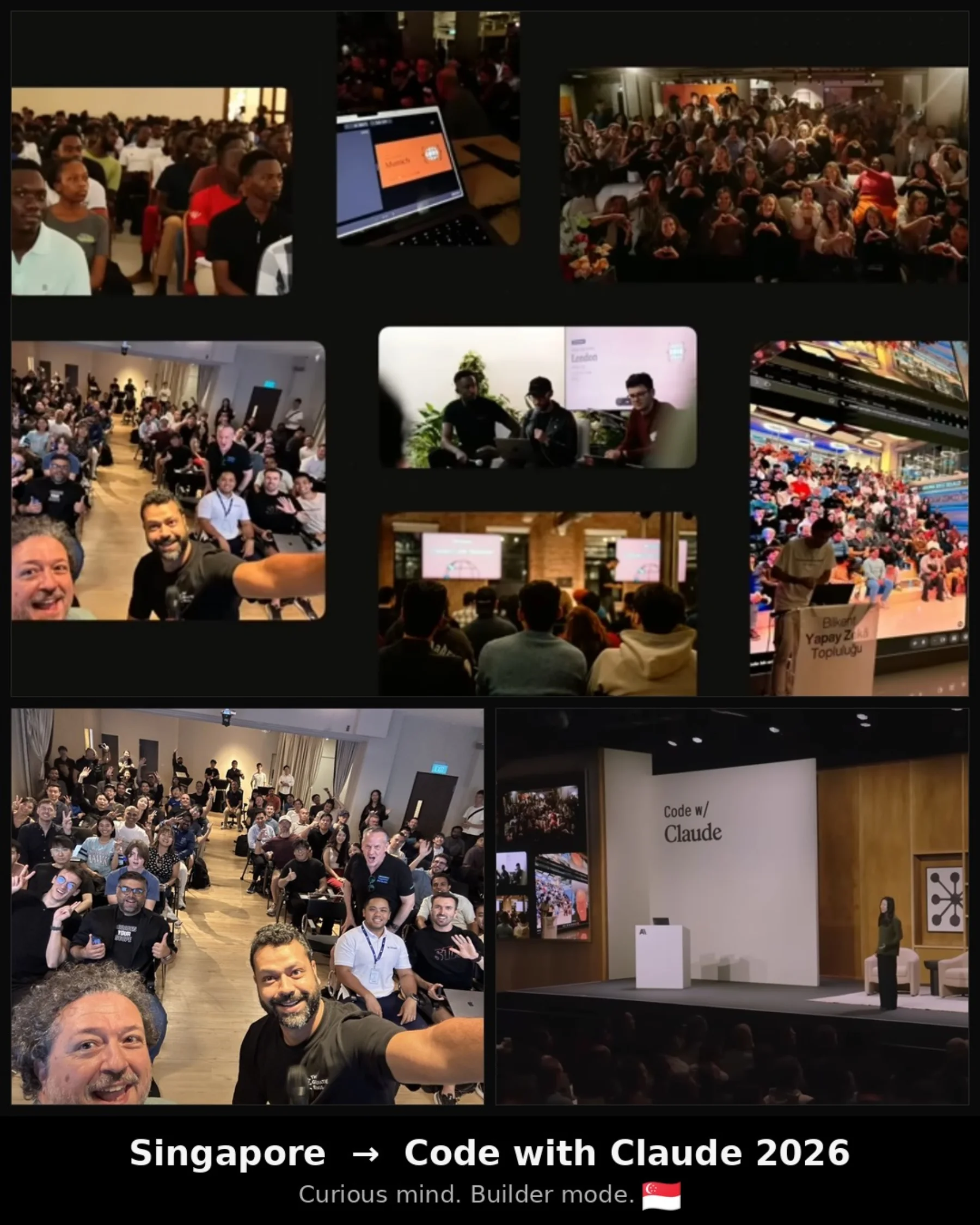
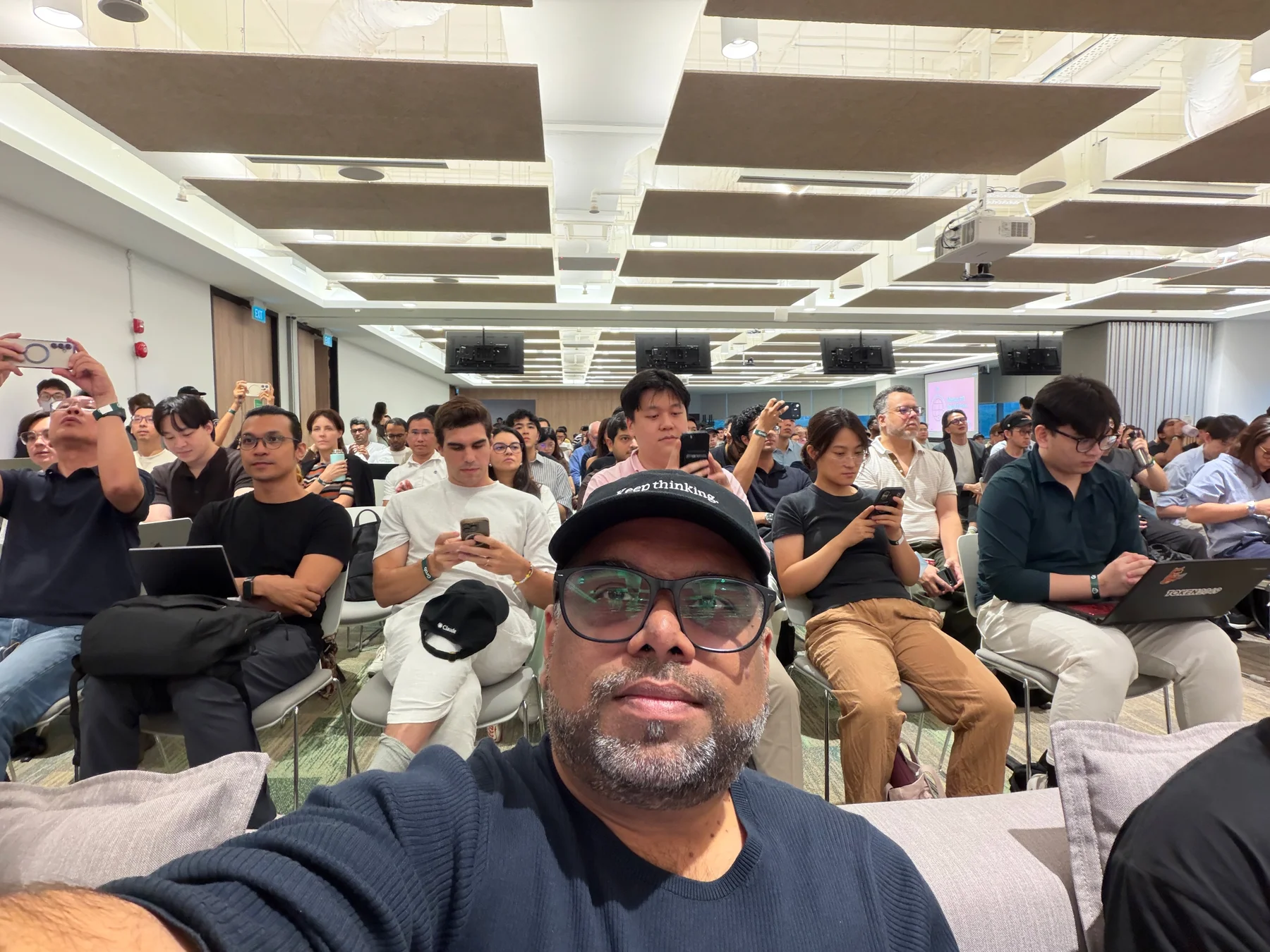
Code with Claude Singapore, AI Engineer Singapore, OpenClaw Singapore, Singapore FinTech Festival, and more. Lessons from those rooms are published with the builds they changed.
Follow the evidence ↓Start here
Concepts without theatre, then one small build you can open.
See how a prompt becomes a skill, a harness, and a working product.
Connect experiments to provenance, permissions, and human ownership.
Understand what can stay local - and when cloud models still earn their place.
Curiosity trails
PromptZap opened a question about taste. Chroa made the visual system legible to agents. ScriptToReel carried that thinking into a reproducible media pipeline.
PromptZap → Chroa → ScriptToReelComparing models led to a stronger conclusion: tools, permissions, context, feedback loops, and reusable skills often matter more than a leaderboard position.
Models → coding agents → skillsCloud routing makes comparison easy. Local inference tests privacy, control, latency, and resilience against real workflows instead of slogans.
OpenRouter → Ollama → MLX / oMLXTraceable data, bounded actions, explicit hand-offs, and clear stopping points matter when agent ideas meet banking constraints.
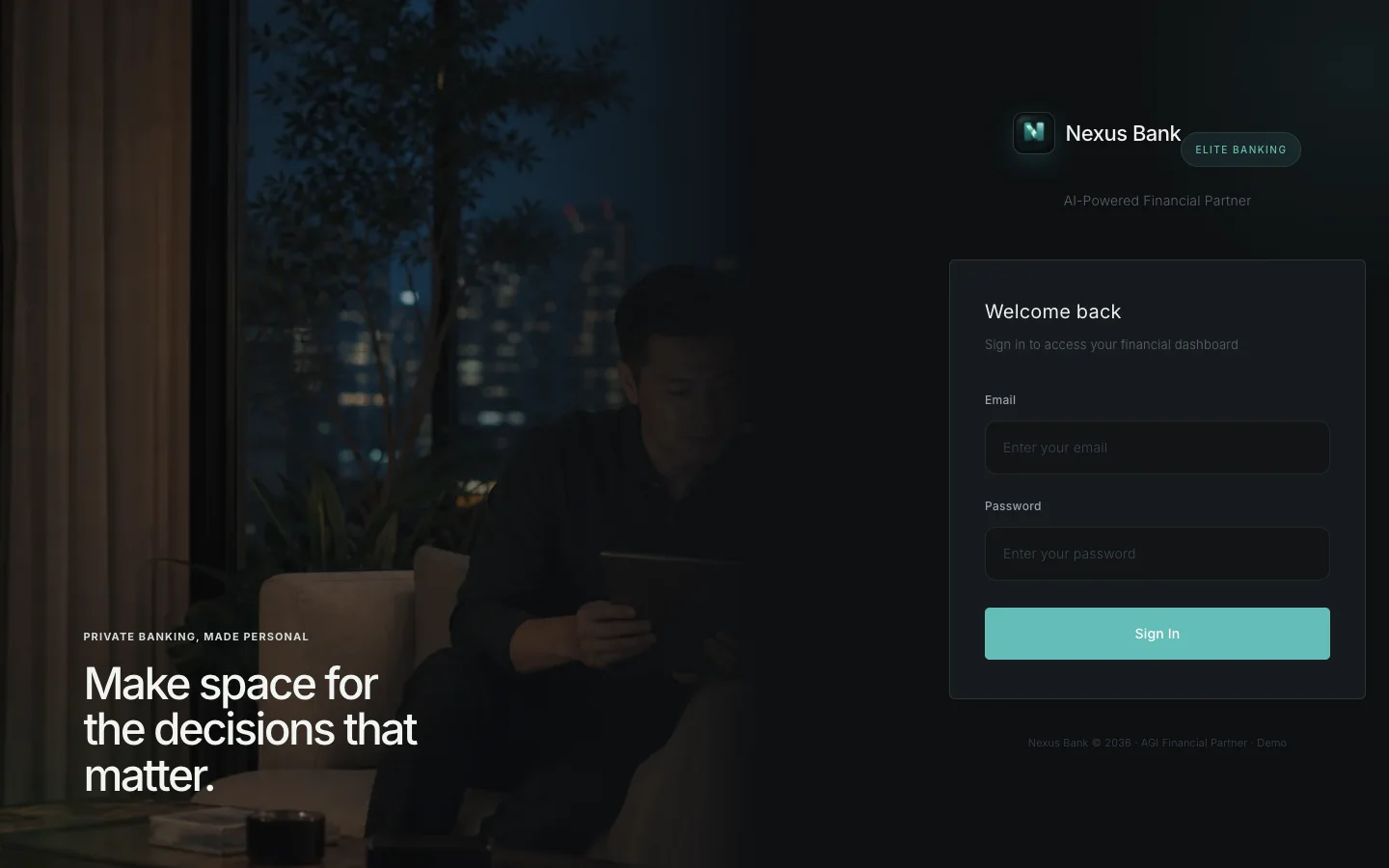
Systems delivery → Nexus Bank → human reviewA focused Singapore need became a chat-first discovery product grounded in verified public data and the way people actually ask where to makan.
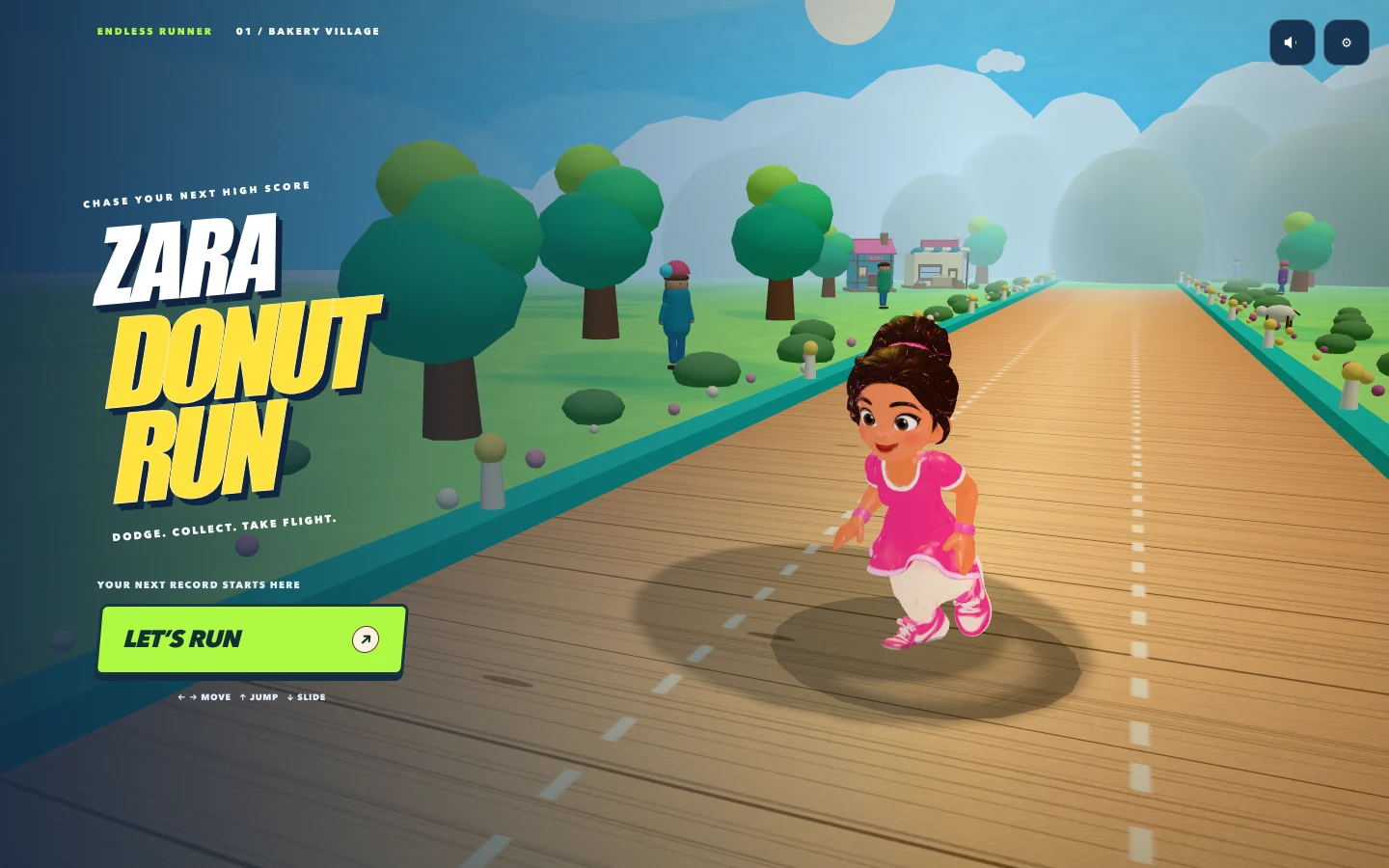
Local context → verified data → HalalEats SGPlay makes feedback immediate. It also exposes when delightful presentation outruns the evidence underneath it.
Voice game → pet league → provenanceThe live lab
Every card is public evidence: an interface, source repository, or honest build story. Filter by the kind of proof you want to inspect.
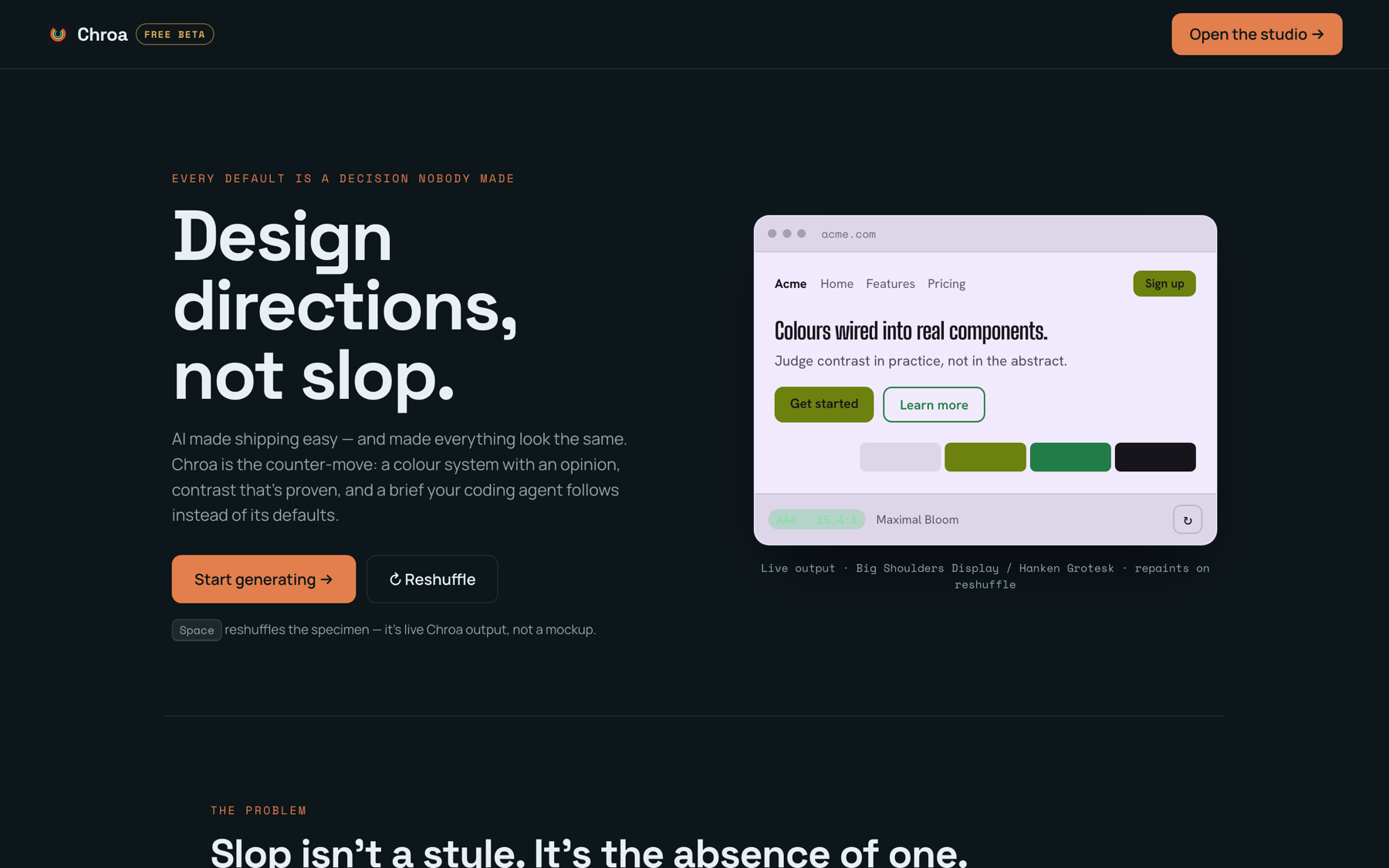
A colour-system studio that generates accessible palettes, wires them into live interface previews, and exports a DESIGN.md a coding agent can follow.
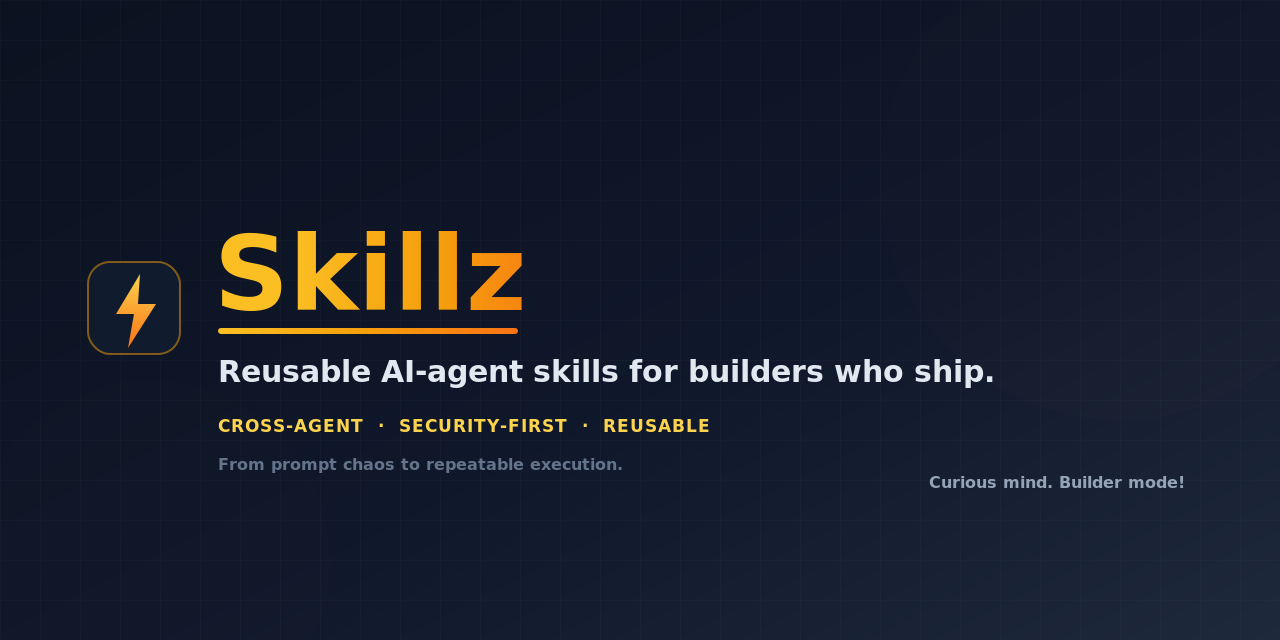
Focused, reusable procedures that turn prompt experiments into repeatable execution.
Browse the library ↗
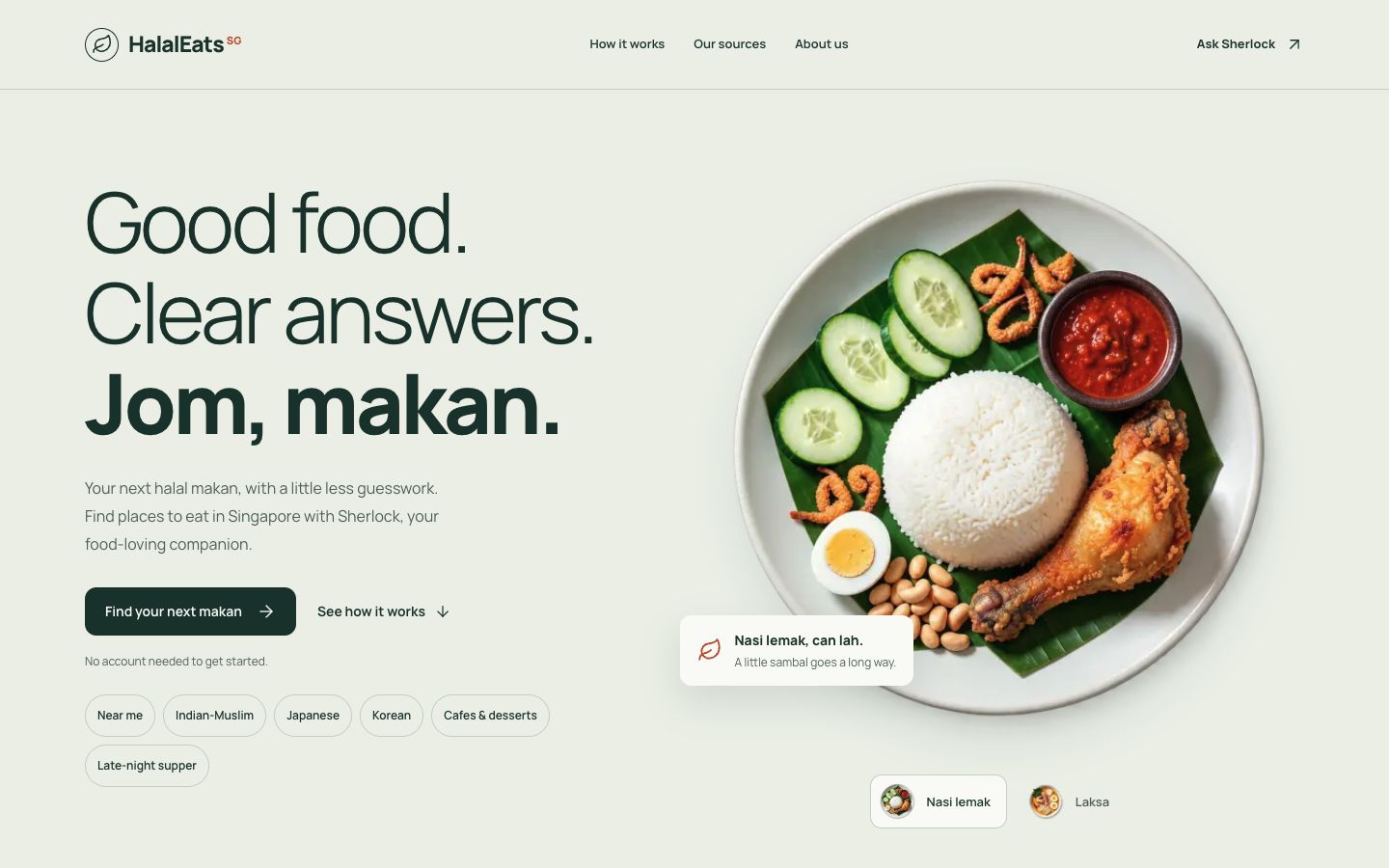
A chat-first halal makan companion built around plain-language questions and verified local venue data.
Try the product ↗
A public learning demo for exploring conversational assistance, financial context, and bounded agent actions. It is not a financial service.
Open the demo ↗
Turns rough instructions into structured prompts inside the AI tools people already use.
See PromptZap ↗
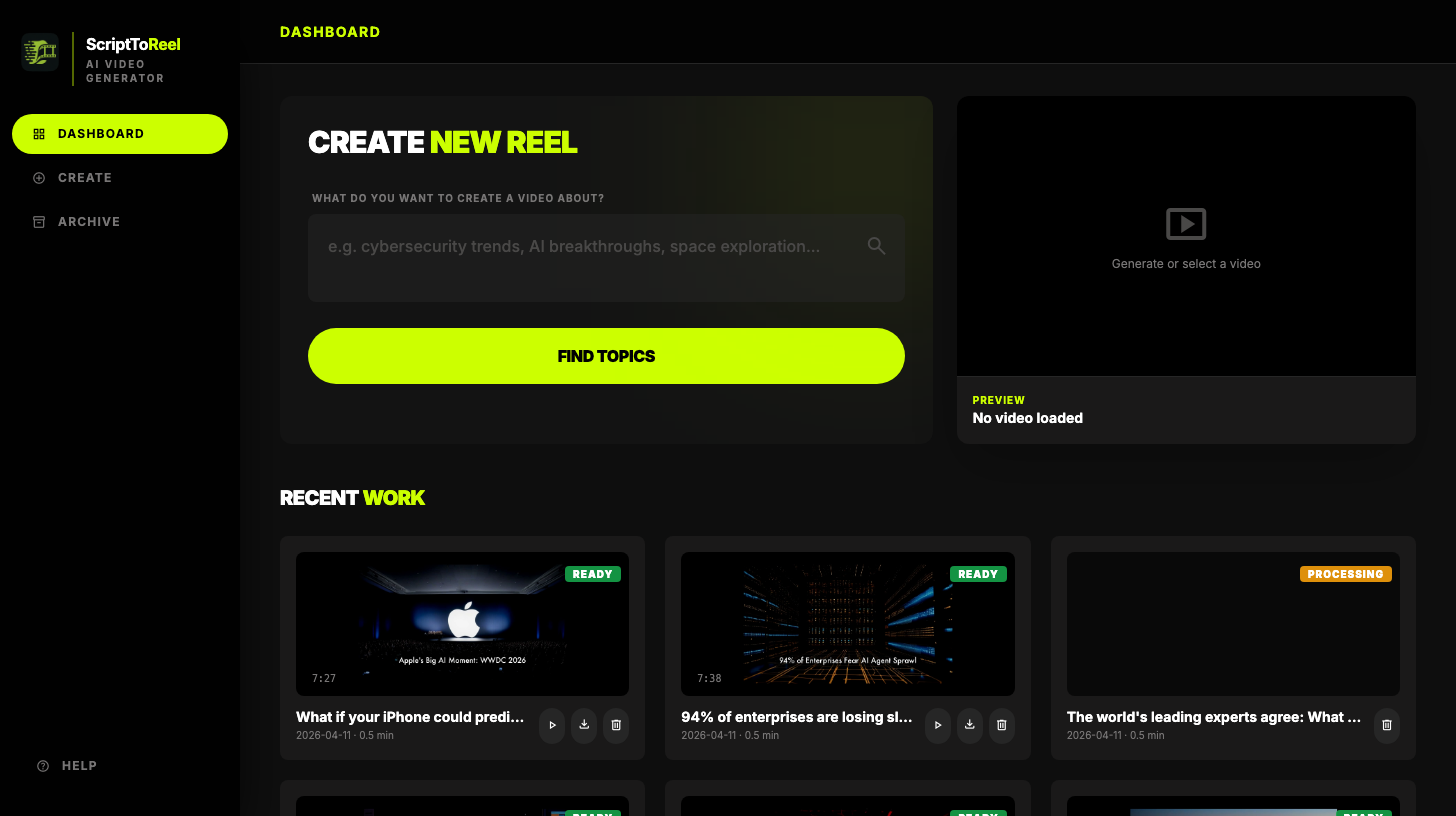
A local-first pipeline that researches, scripts, assembles, narrates, and renders short videos from a topic.
Read the source ↗One click turns a webpage into clean Markdown for agents, notes, and knowledge bases. No account or backend.
Install the utility ↗
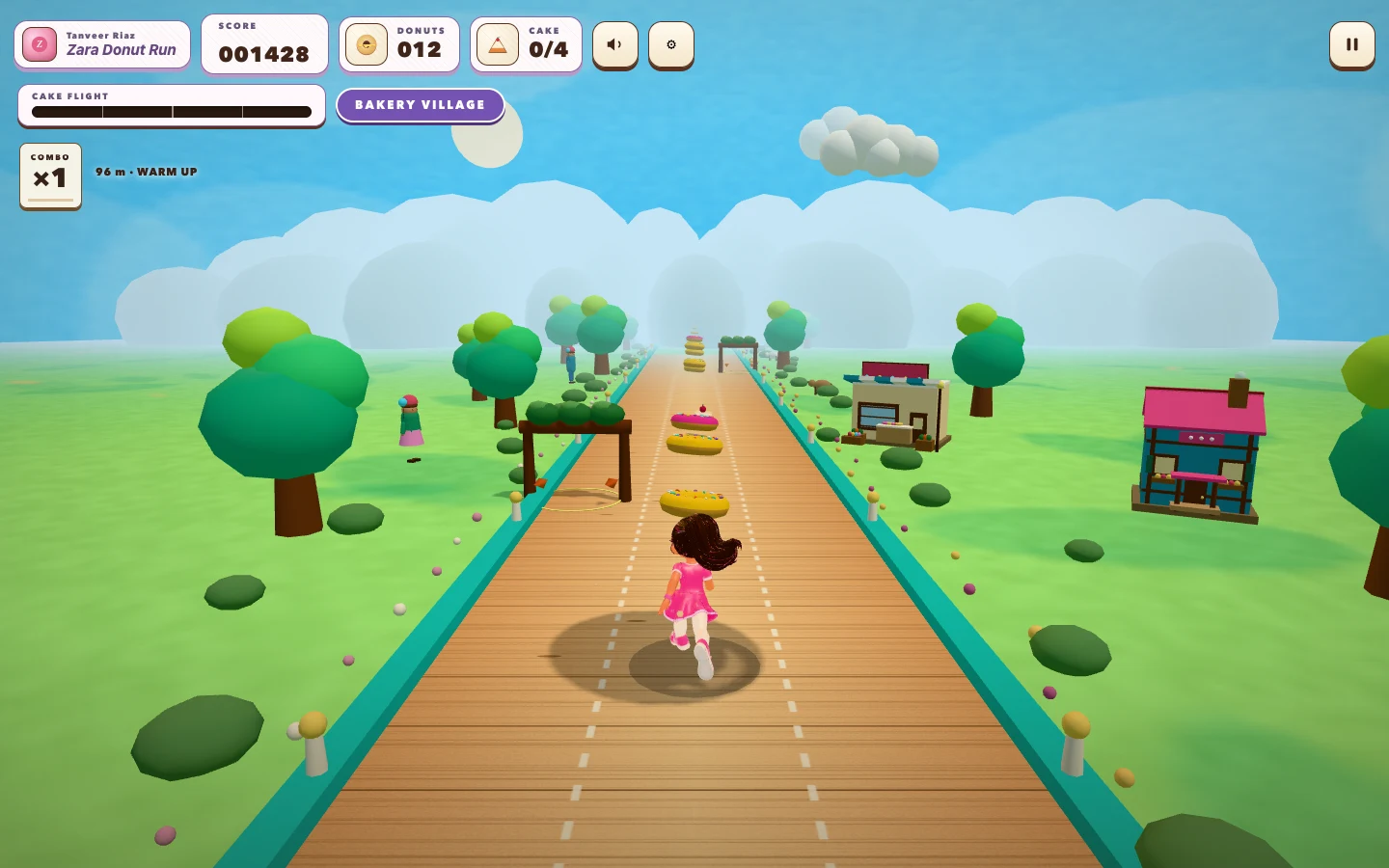
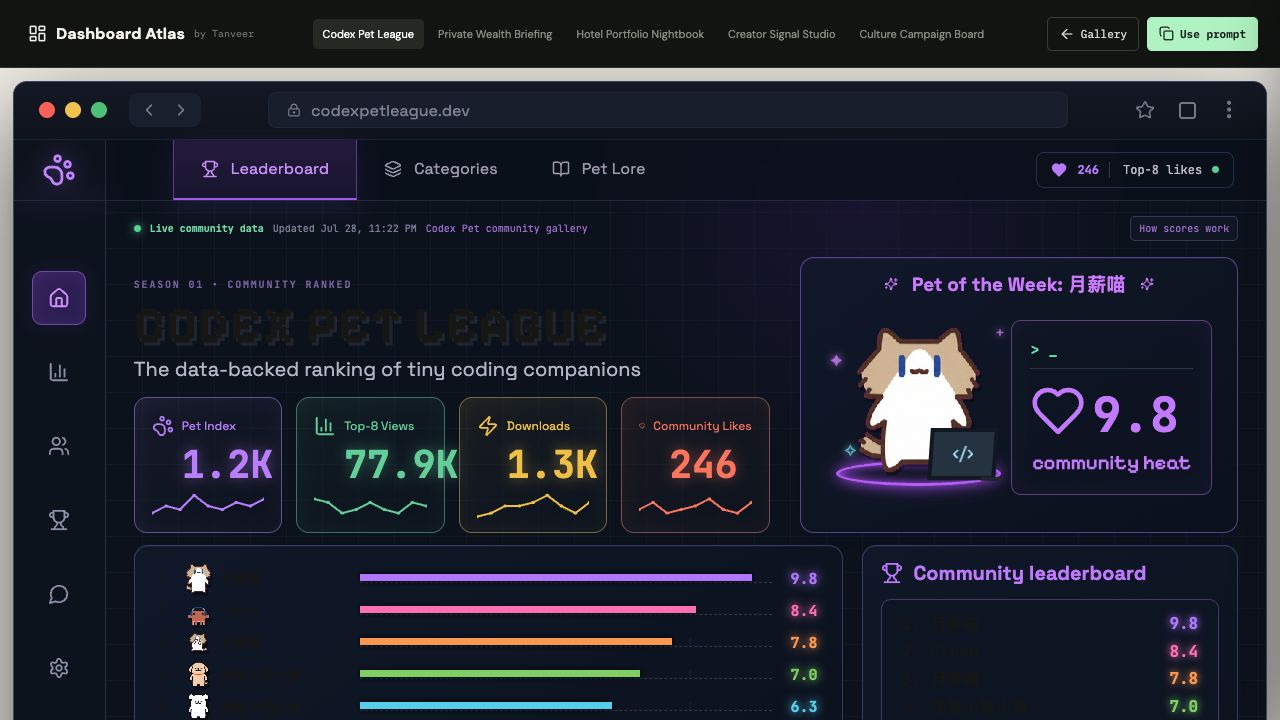
A playful leaderboard - and a story about replacing persuasive mock data with verifiable public signals.
Read what went wrong →A fast family-friendly experiment in voice input, progressive hints, and playful feedback.
Open on GitHub ↗No public items match this view yet. Try another filter.
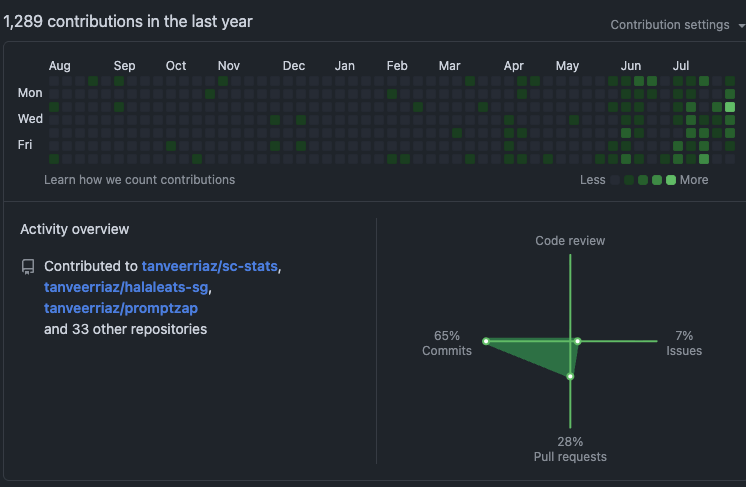
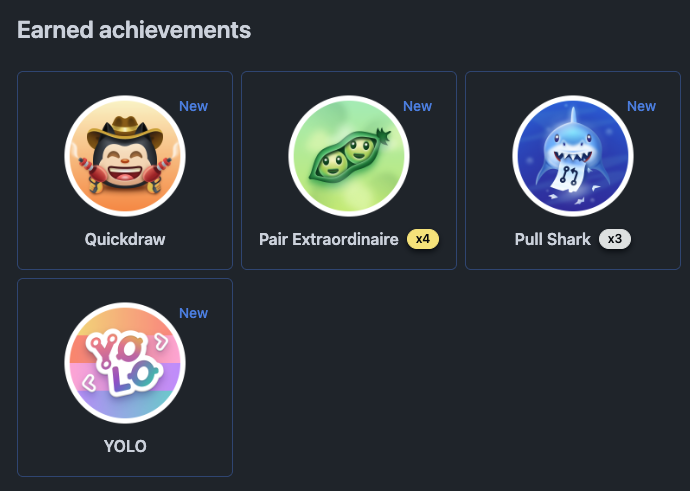
Shipping signals
Snapshot supplied on 1 Aug 2026. The total may include private contribution activity; no private repository contents are published here.
Together they are a compact record of fast iteration, collaboration, and pull-request shipping - not a score for its own sake.
Recent credentials · 2025–2026
Tap a card to verify the credential.
AI delivery and data · Issued Jul 2026
Verify ↗ 2025PMIResponsible AI in delivery workflows · Issued Dec 2025
Verify ↗ 2025edXGenerative AI foundations · Issued Apr 2025
Verify ↗ 2025IBF SGAI risk and governance · Issued Mar 2025
View ↗ 2025A-CSMAdvanced agile delivery · Issued Jan 2025
Verify ↗ 2025PMIAI for project leadership · Issued Jan 2025
Verify ↗Learning in public
How tools, memory, permissions, and evaluation turn a model into a dependable workflow.
What can stay on-device without making the product slower or less useful.
How HTML, Markdown, JSON-LD, and clear content policies make a site easier for agents to understand.
A focused, reusable procedure that gives an AI agent domain instructions, constraints, and a reliable workflow for a specific job.
See it in Skillz ↗The tools, context, permissions, memory, feedback loops, and runtime around a model. The harness often decides whether model output can become dependable work.
Read “The harness matters” →AI software designed to keep models, data, or core workflows on a person’s own device whenever practical.
Open the local AI notes →Retrieval-augmented generation: find relevant source material first, then give it to a model as context for an answer.
A record of where data came from, how it changed, and which claims it can legitimately support.
See the leaderboard lesson →Building software through rapid natural-language collaboration with coding agents, with the human retaining intent, taste, verification, and ownership.
Field notes

Build journey · 8 min
Build in public
Essay
Essay
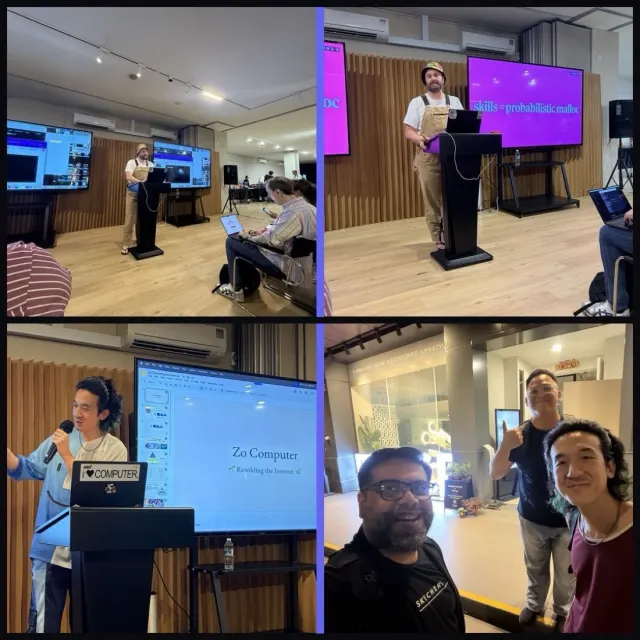
SG 🇸🇬 Public event trail
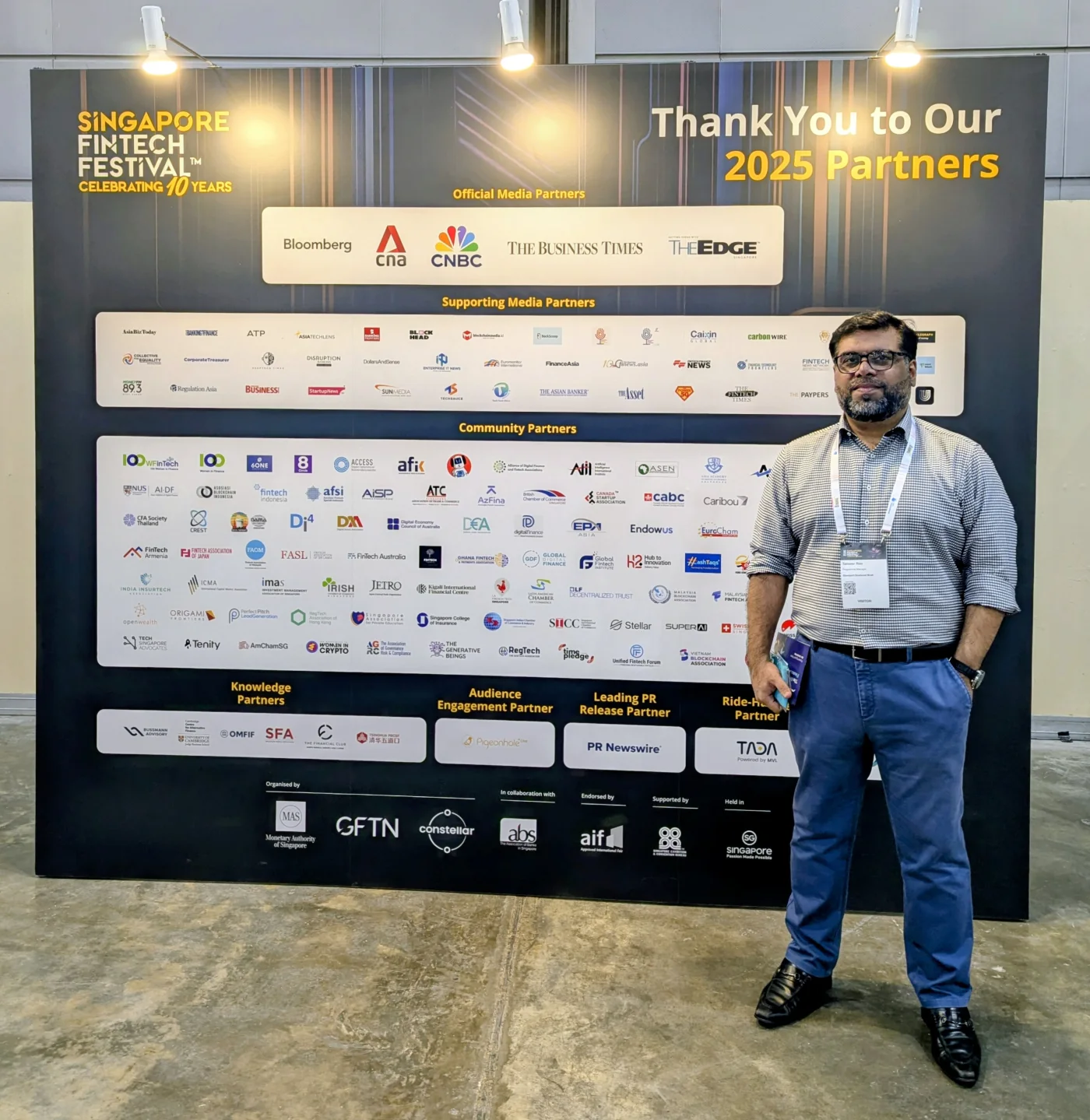
01 / 08Singapore FinTech Festival

Twenty years in banking changes the questions I ask. I look past the demo to provenance, permissions, operational ownership, and what happens on a difficult day.

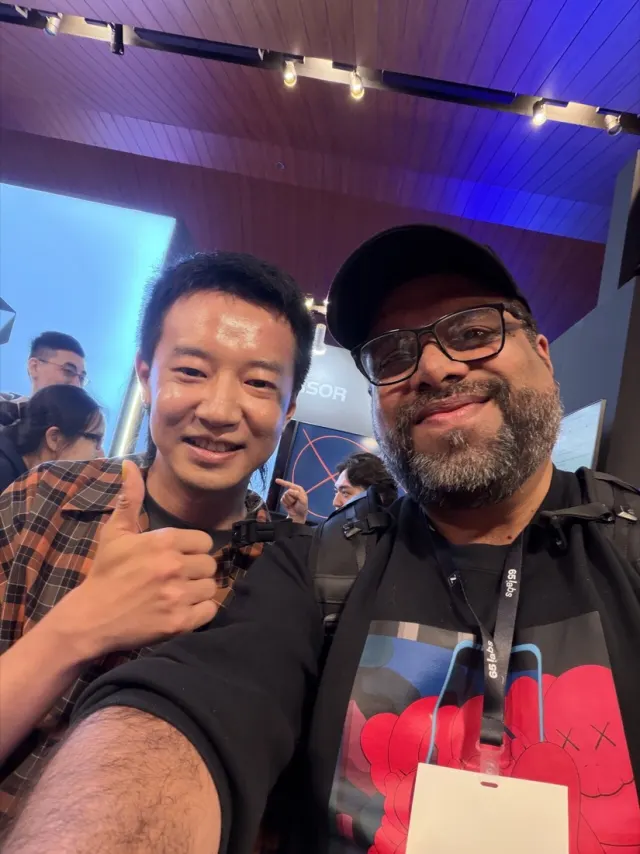
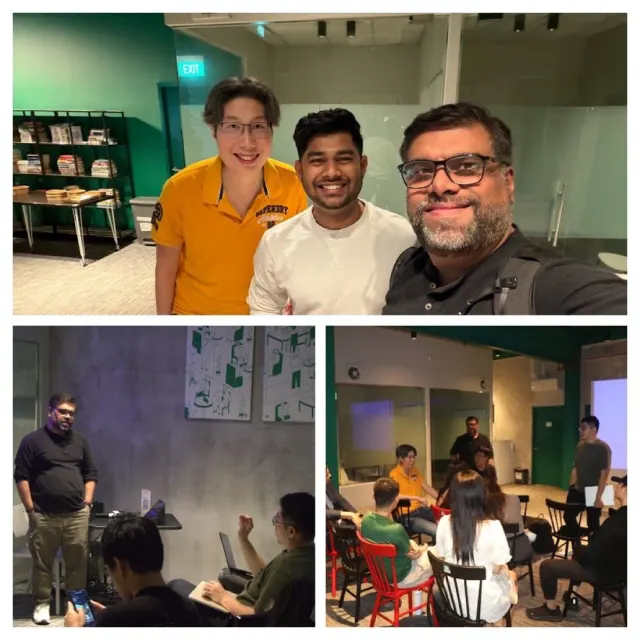
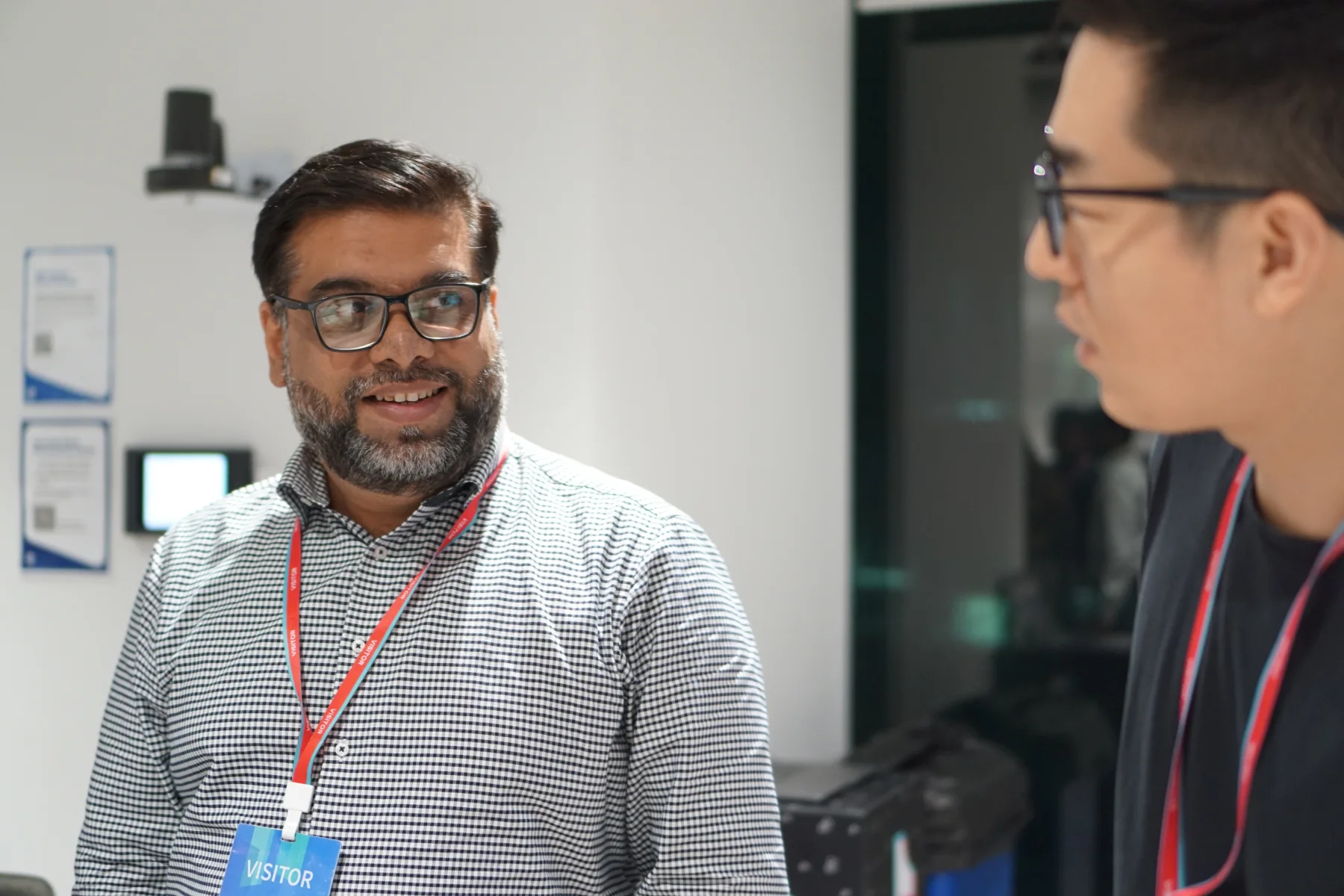
A conversation can reveal the missing constraint faster than another hour of polishing. The best notes are usually questions I need to test later.

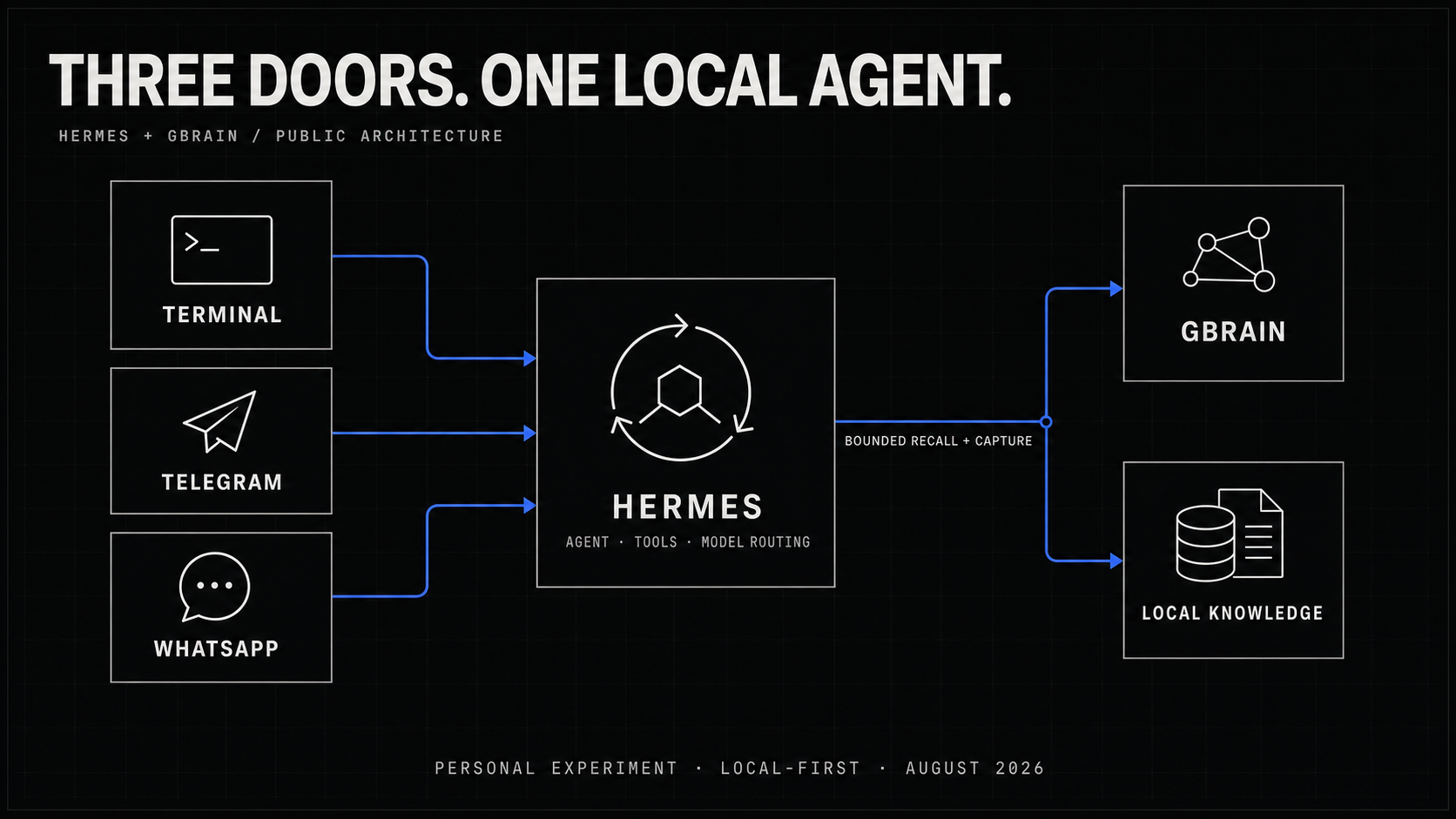
OpenClaw, Hermes, Sarah, memory, tools and hand-offs all point to the same lesson: autonomy is useful only when its boundaries are visible.

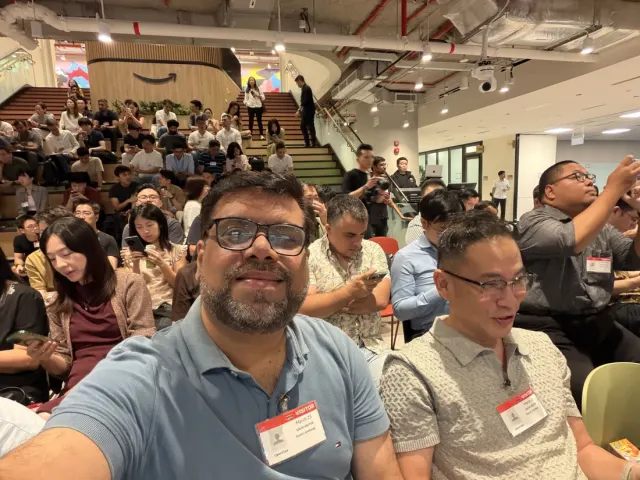
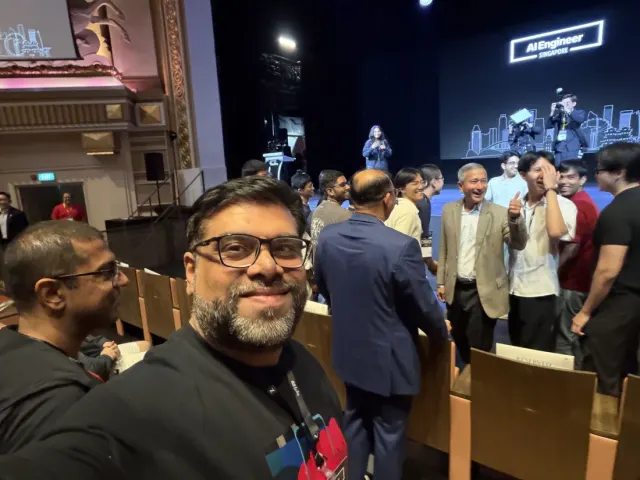
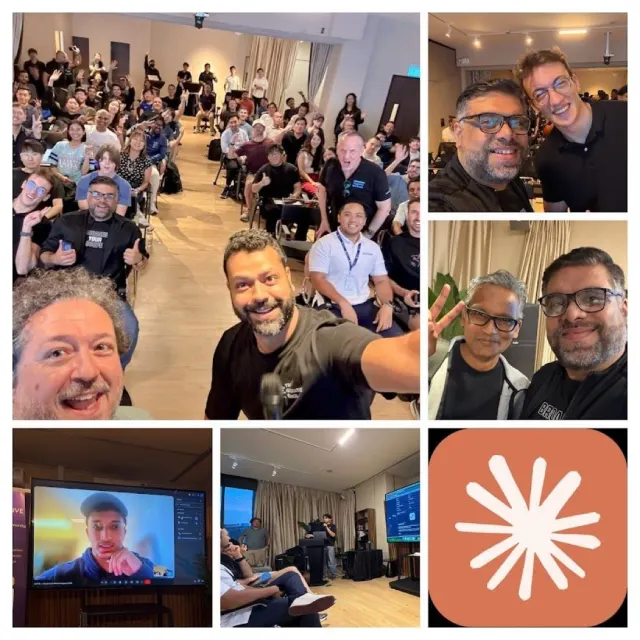
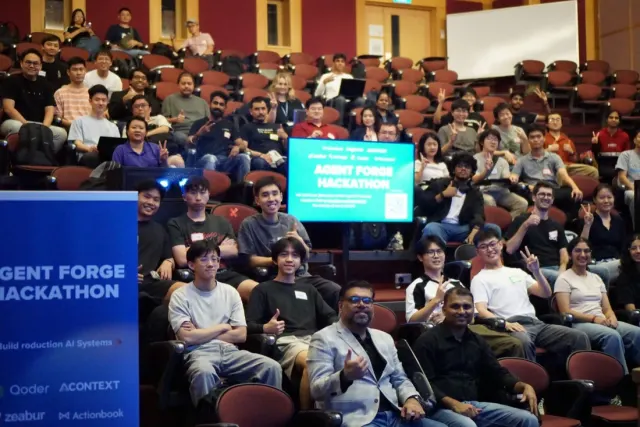
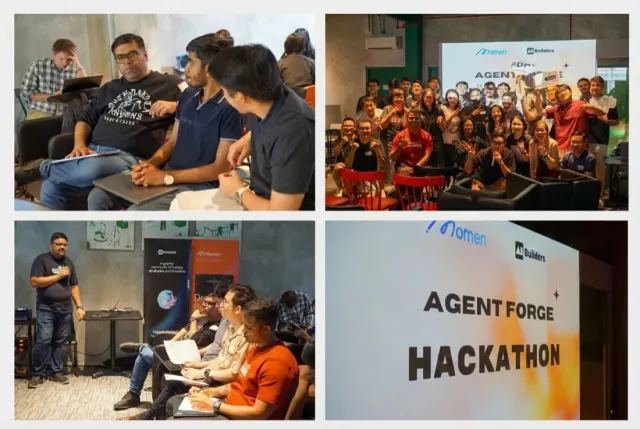
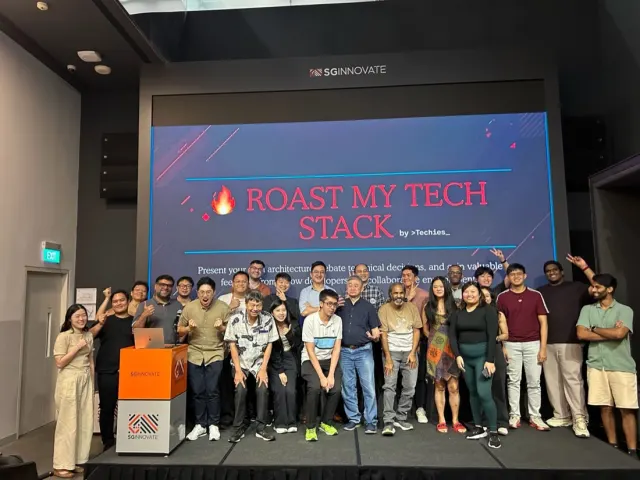
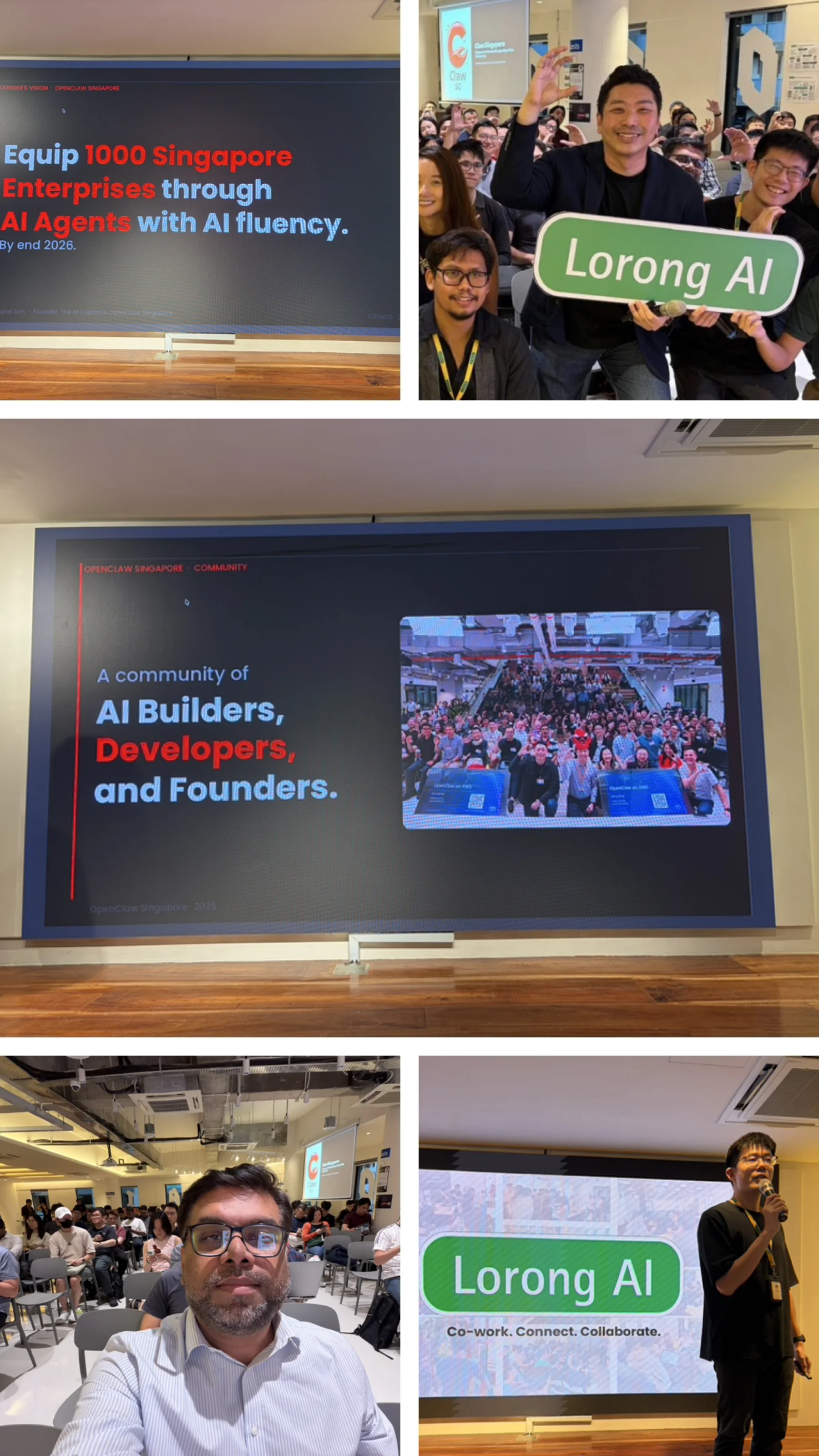
The memorable part was not simply appearing in a group photograph. It was being in a room where practitioners were building, questioning and learning in public.

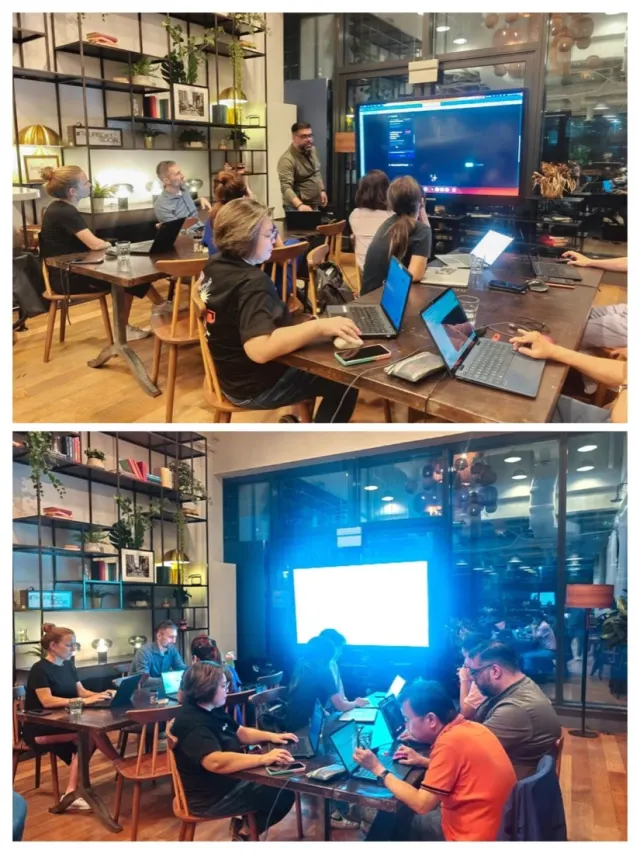
At a six-hour build table, 87K Windows turned memories from seniors living alone into safe, consented offers of what they could teach. No match is ever faked.

The practical model-cost question is not which model is smartest. It is which model is reliable enough for this job after context, tools, skills, evals and retries are counted.

Model comparison is useful. Reusable skills, clear intent and inspectable review make the learning survive the individual session.

Agent systems become dependable when roles, evidence, review and failure states are designed as one workflow rather than a collection of impressive demos.
More rooms, experiments and build notes continue on LinkedIn.
Follow Tanveer's builder journey on LinkedIn ↗Tool relationships
Get oriented broadly, then return to primary evidence.
Different collaborators for different kinds of thinking.
Compare planning, implementation, and review instincts.
Roles, hand-offs, memory, and permission boundaries.
What can stay on-device without forcing every task there.
Visual evidence and story material tied to real builds.
Calmer interfaces for inspecting multi-agent work.
Useful means somebody else can open it - and see its limits.
Active rotation
The models change. The curiosity does not.


The person behind it
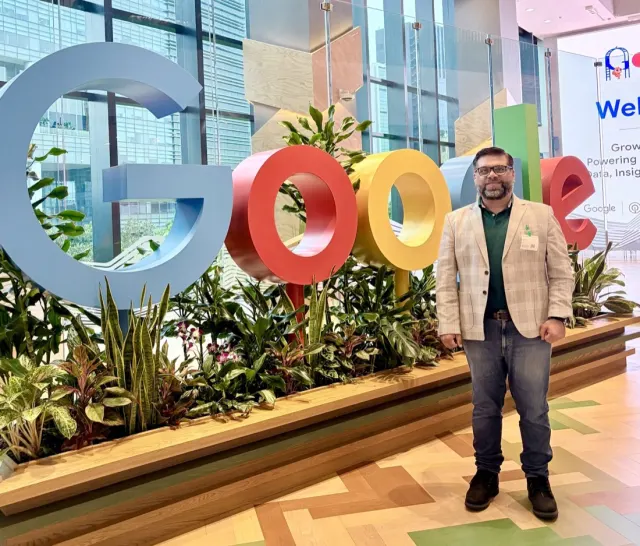
I’m Tanveer, an AI specialist in Singapore focused on agentic systems. My professional background is in delivering complex technology across global banking. My personal work is where I follow questions into agent workflows, local models, new interfaces, and useful Singapore products.
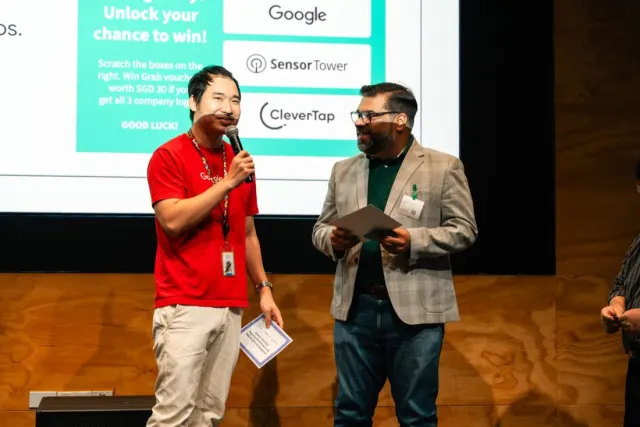
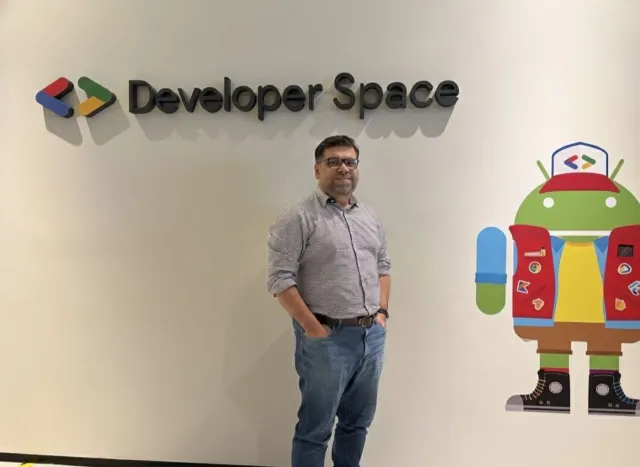
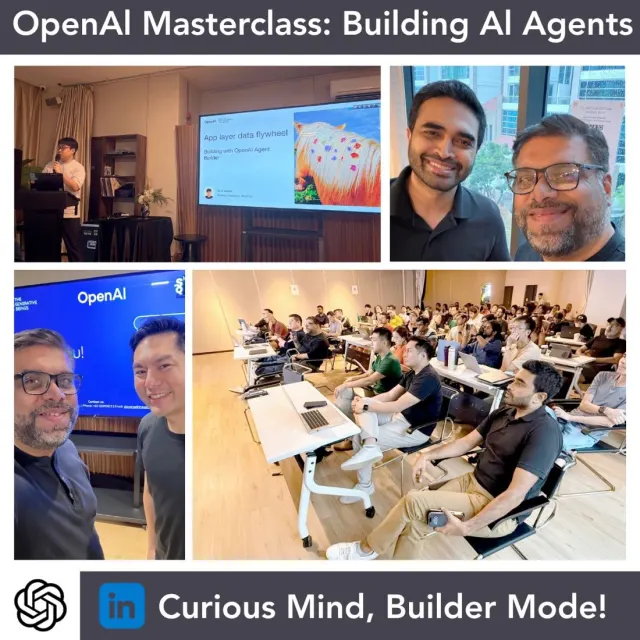
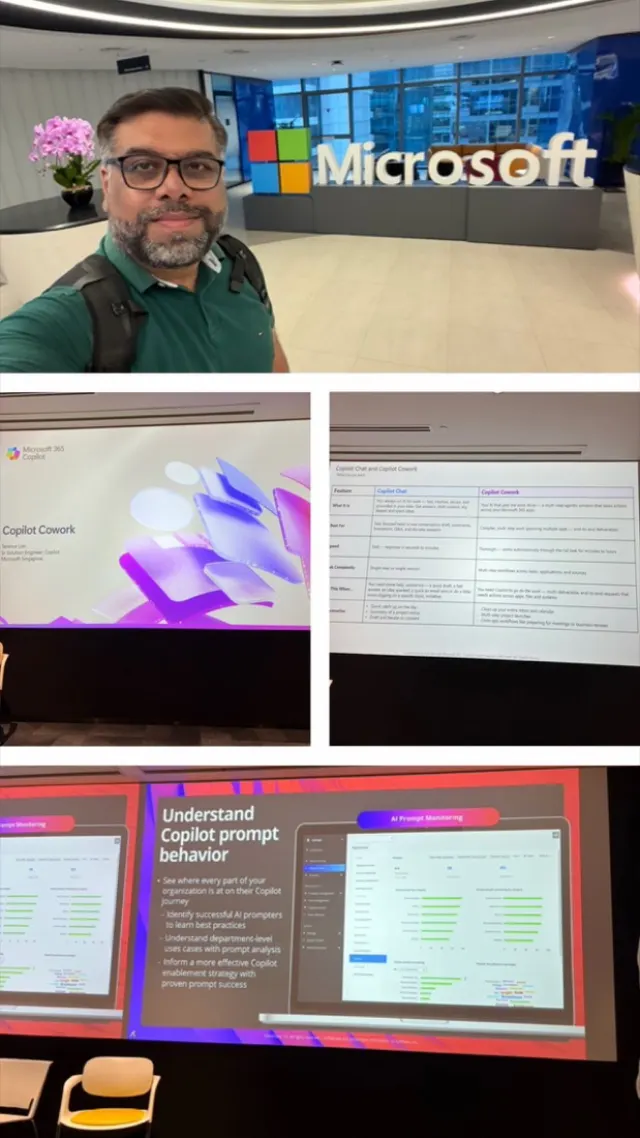
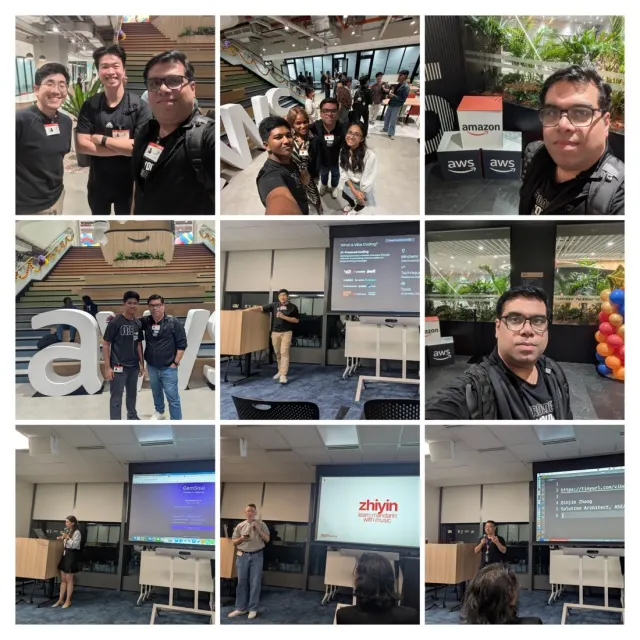
I’m active in Singapore’s AI builder community and attend public sessions and industry events, including Code with Claude Singapore, AI Engineer Singapore, OpenClaw Singapore and Singapore FinTech Festival. I bring those unfinished questions back to the work—and publish the lessons with the builds they changed.
A useful next step
Thoughtful notes about AI agents, local-first systems, fintech, or a useful Singapore product idea are always welcome. Personal and community work only - this site does not offer paid consulting.
Singapore / 2026
The evidence is public. The next question is open.