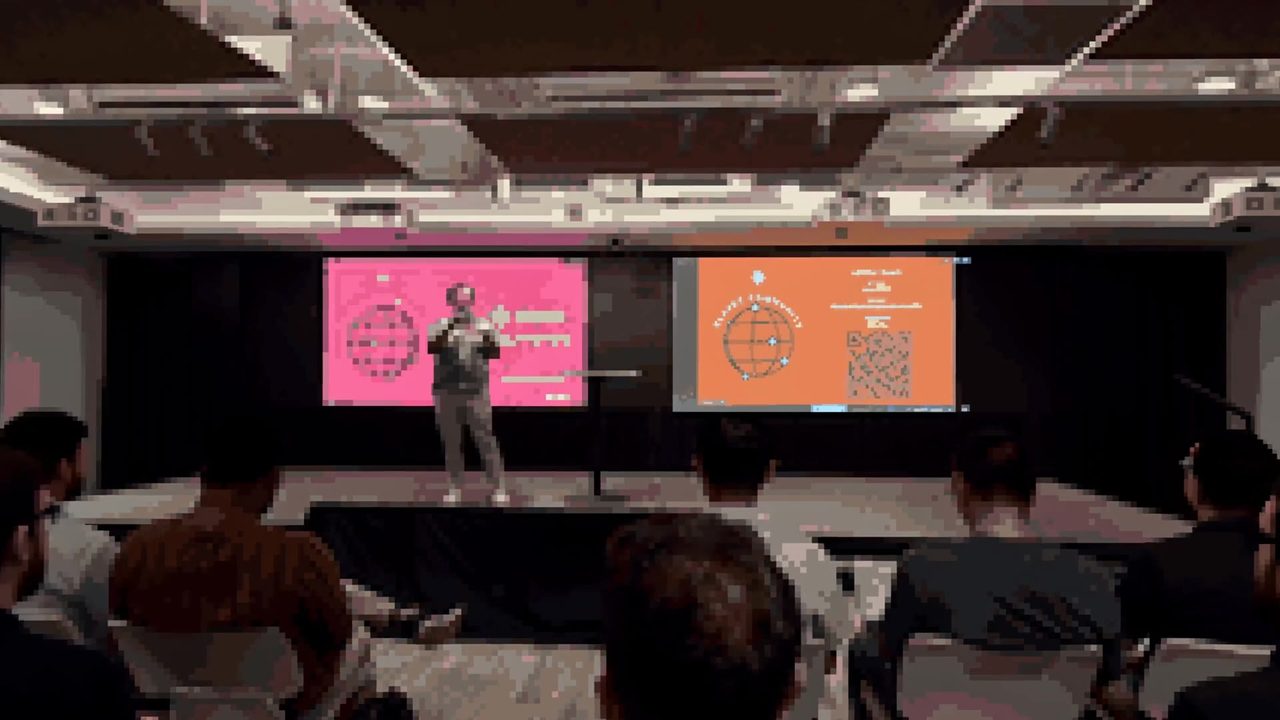
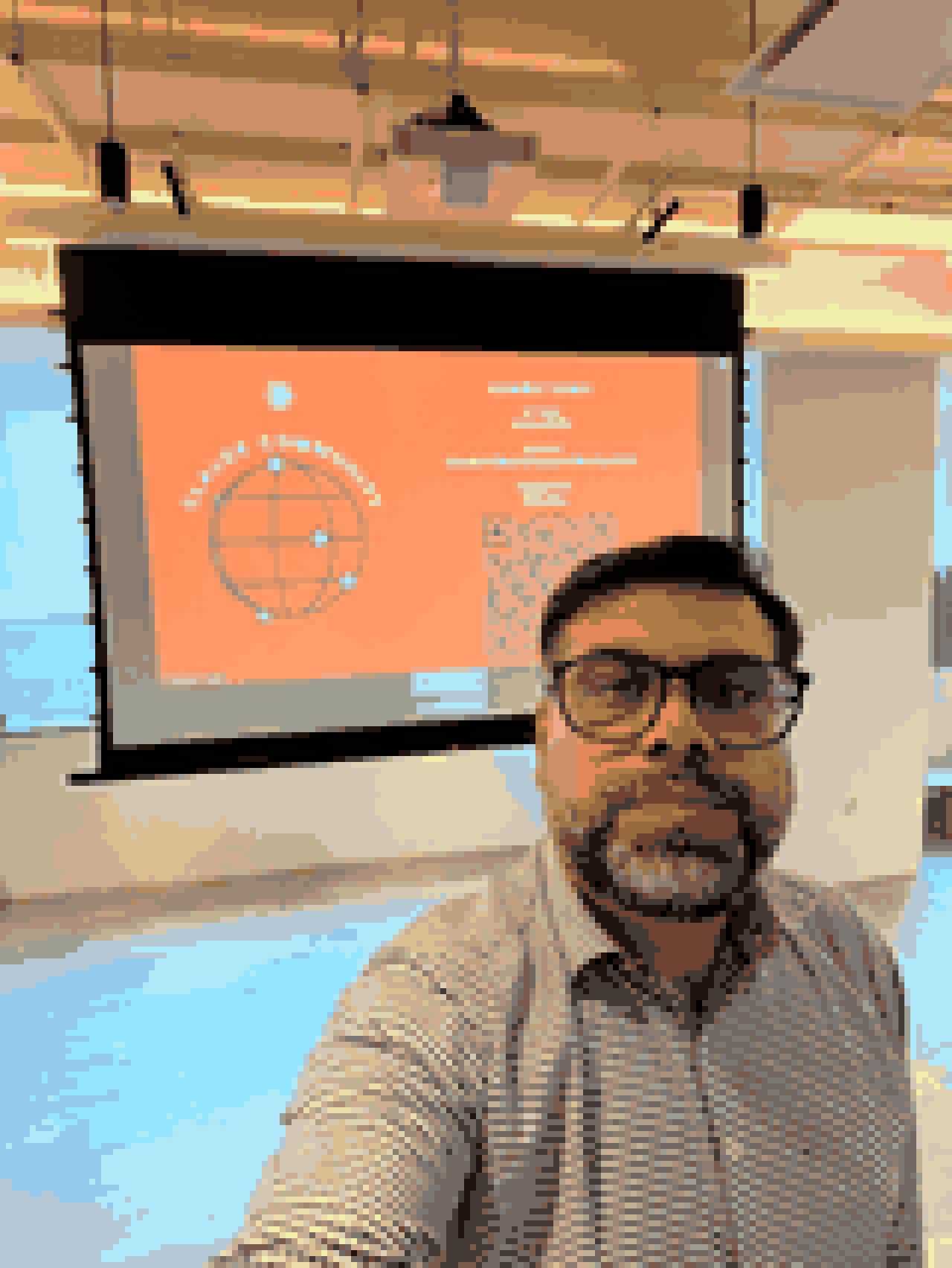
The Claude x Slack Singapore meetup filled a room at one-north this month - builders, demos, and a wall of pink slides. I came home with a camera roll and a question: what does a recap look like when the medium has to prove the message?
A recap is an argument, not a slideshow
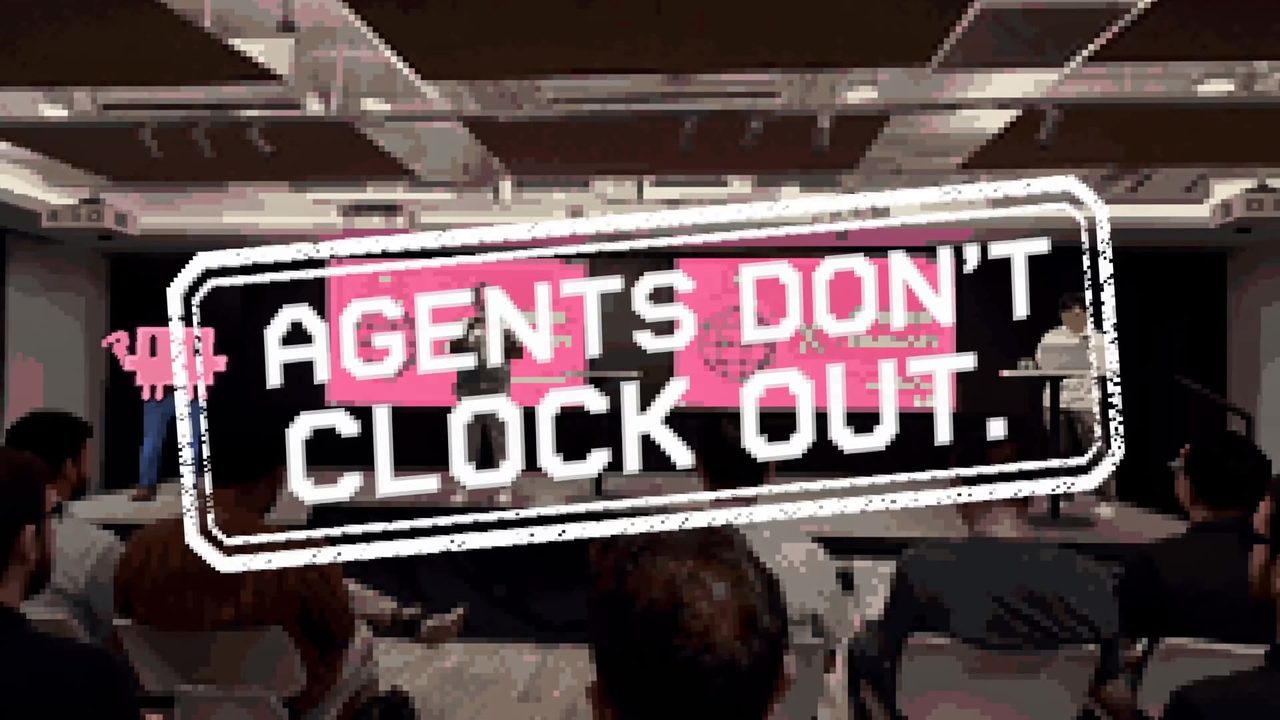
Most event recaps are highlights with music. Nobody rewatches them, because they don't say anything. So the first step had nothing to do with tooling: write down what the event actually concluded, in one sentence. For this meetup it was easy - every demo on that stage kept working after the demo ended. Agents picking up tasks, reviewing, shipping. Agents don't clock out. That became the last frame of the video, and everything else had to earn it.
The room chose the style
I didn't pick pixel art because it's trendy. The room picked it - sprite demos, retro game builds, chunky hardware keys. When a community independently converges on a visual dialect, adopt it. The recap reads as "one of us made this" instead of "a marketing team was here." And the style is grounded, not generated from scratch: every shot starts from a real photo of the actual room, stylized down to a 160-pixel grid and about 40 colors - the same constraint math old consoles imposed by hardware. It looks honest because it is.
The pipeline
The system is simple: photos in, story out. Real photos get deterministically pixelated (no AI in that step - just downscale, quantize, upscale). The best seven become compact references. A shot script maps five shots across 15 seconds, each anchored to one reference image. Then fal.ai's Seedance reference-to-video model takes the script and the references and returns a 1080p clip with audio in about eight minutes. One generation, reviewed properly, beats three blind re-rolls - this is not a free lunch, so the script does the thinking before the GPU does the spending.
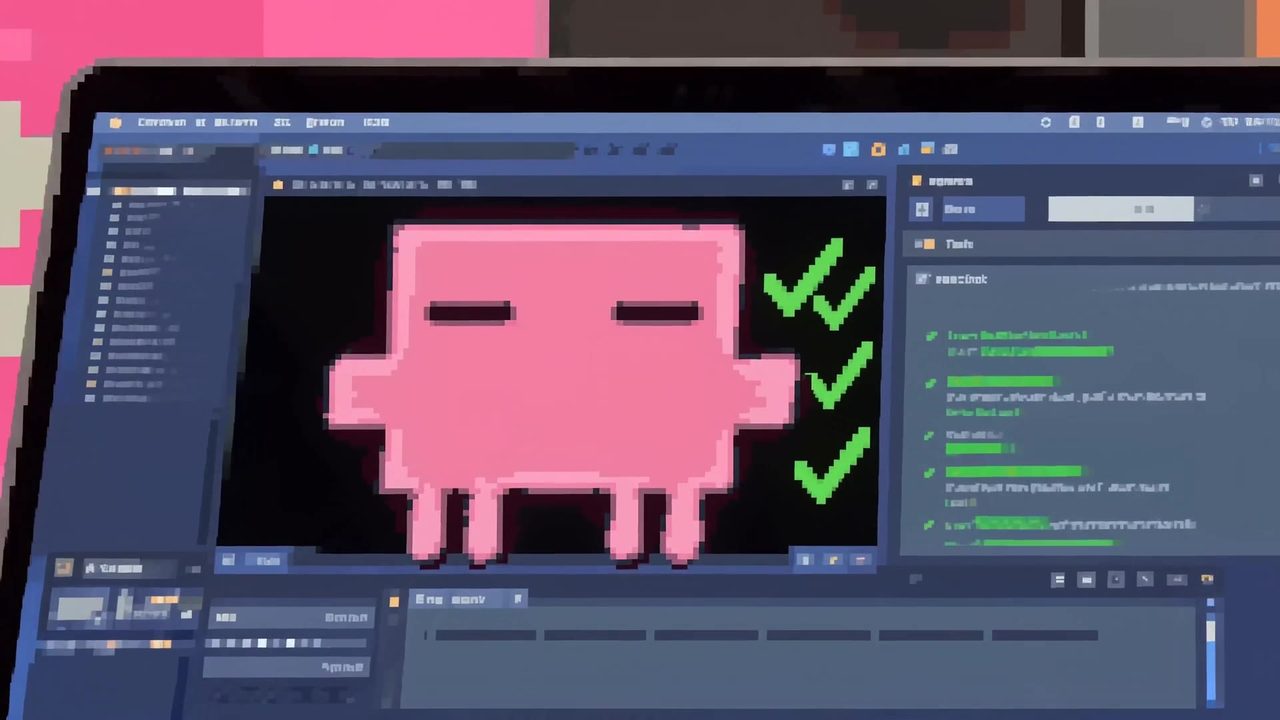
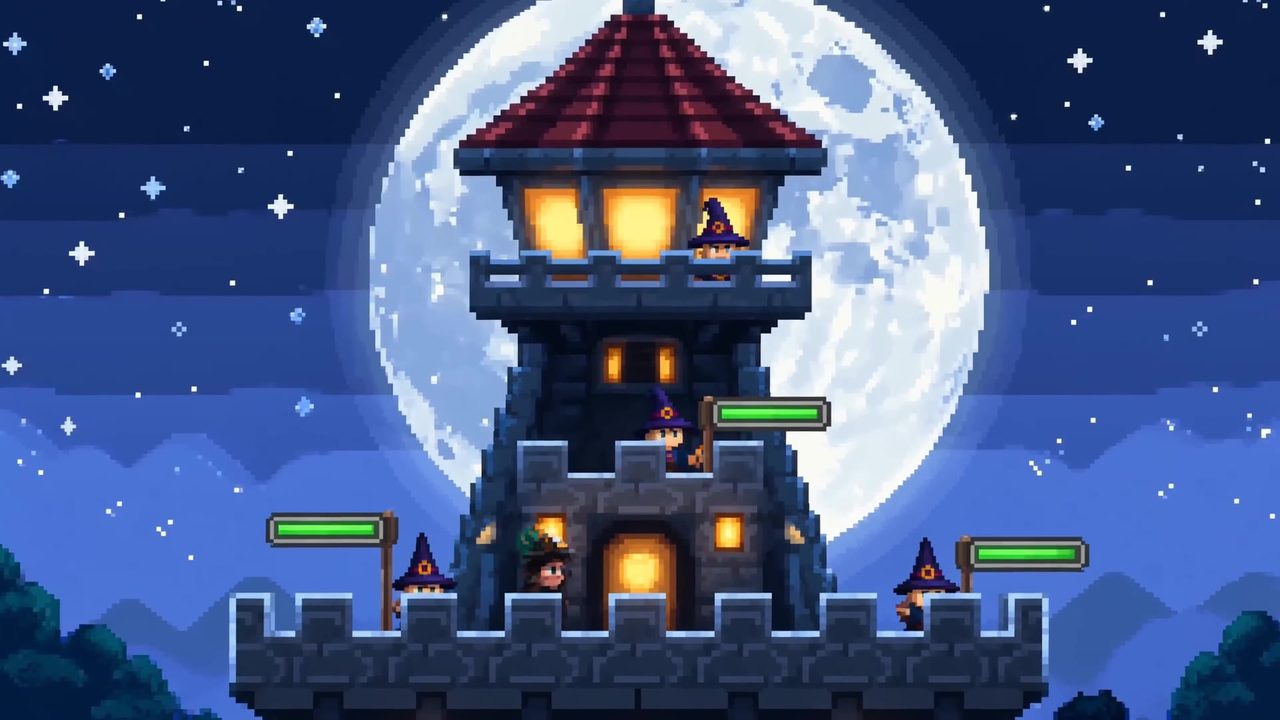
The arc that makes 15 seconds feel like a story: establish the real room → wake up the smallest detail that carries the thesis → escalate through two increasingly immersive worlds → return to the room, transformed. One recurring character the whole way through. Continuity is the difference between a story and a montage.
The part that compounds
The video took an afternoon. The useful output took ten more minutes: turning the whole method - creative rules, pixelation script, shot-script template, fal.ai call - into a reusable skill. It now runs from Claude Code, Cursor, or Codex. The next event recap is one command and a folder of photos. That's the pattern I keep coming back to: don't ship the artifact, ship the harness that makes the artifact repeatable. A one-off video is content. A recap pipeline is capability.
Which is also, conveniently, what the video says. The meetup ended. The pipeline didn't.
Next community event you attend - what's the one-sentence thesis, and could your recap prove it instead of just decorating it?
Skills library on GitHub →